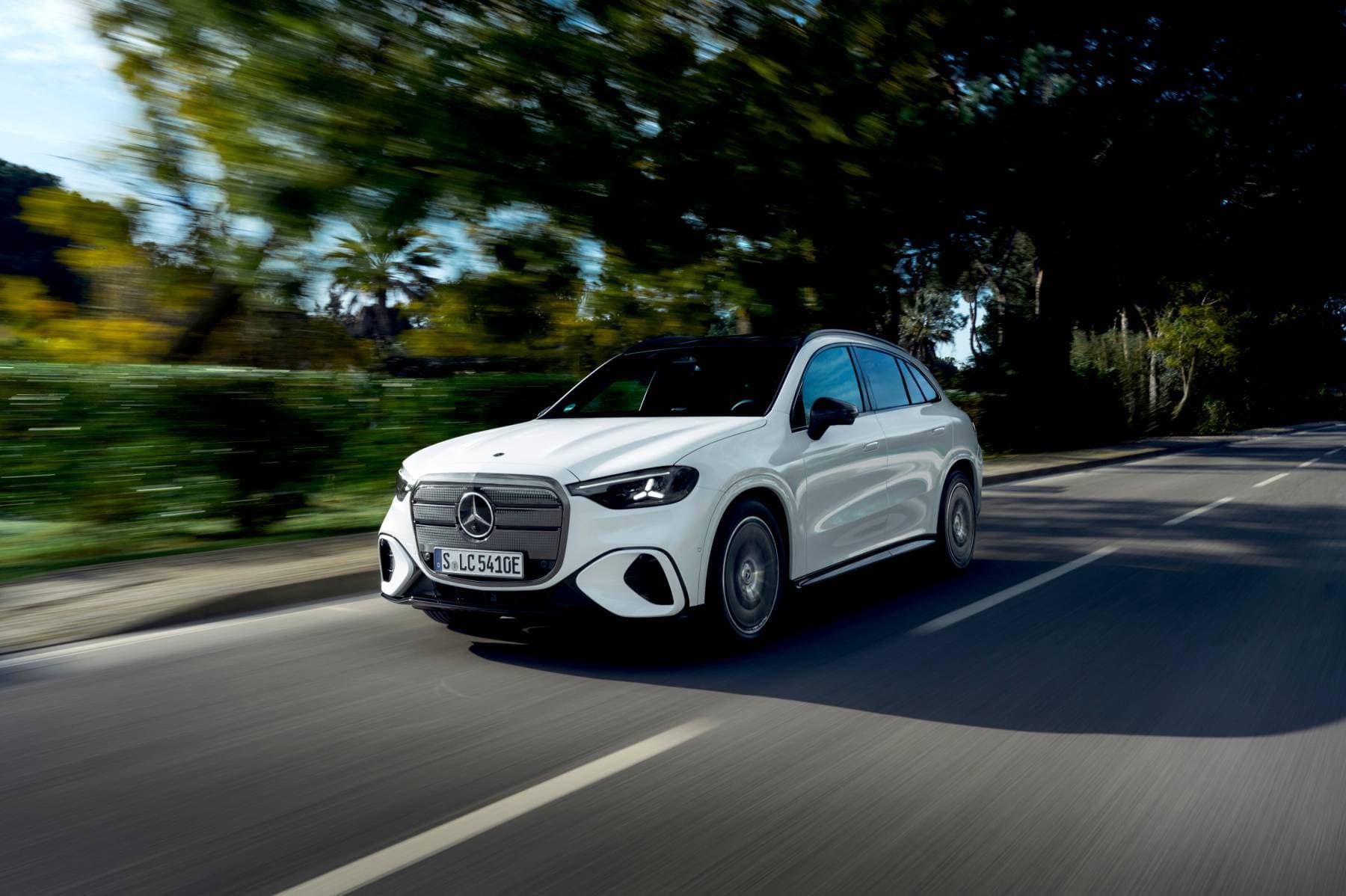
Leasing an electric or plug-in hybrid car: how to choose
Electric or plug-in hybrid leasing: the three figures to check, what changes in Belgium, Luxembourg and France, and the models available.
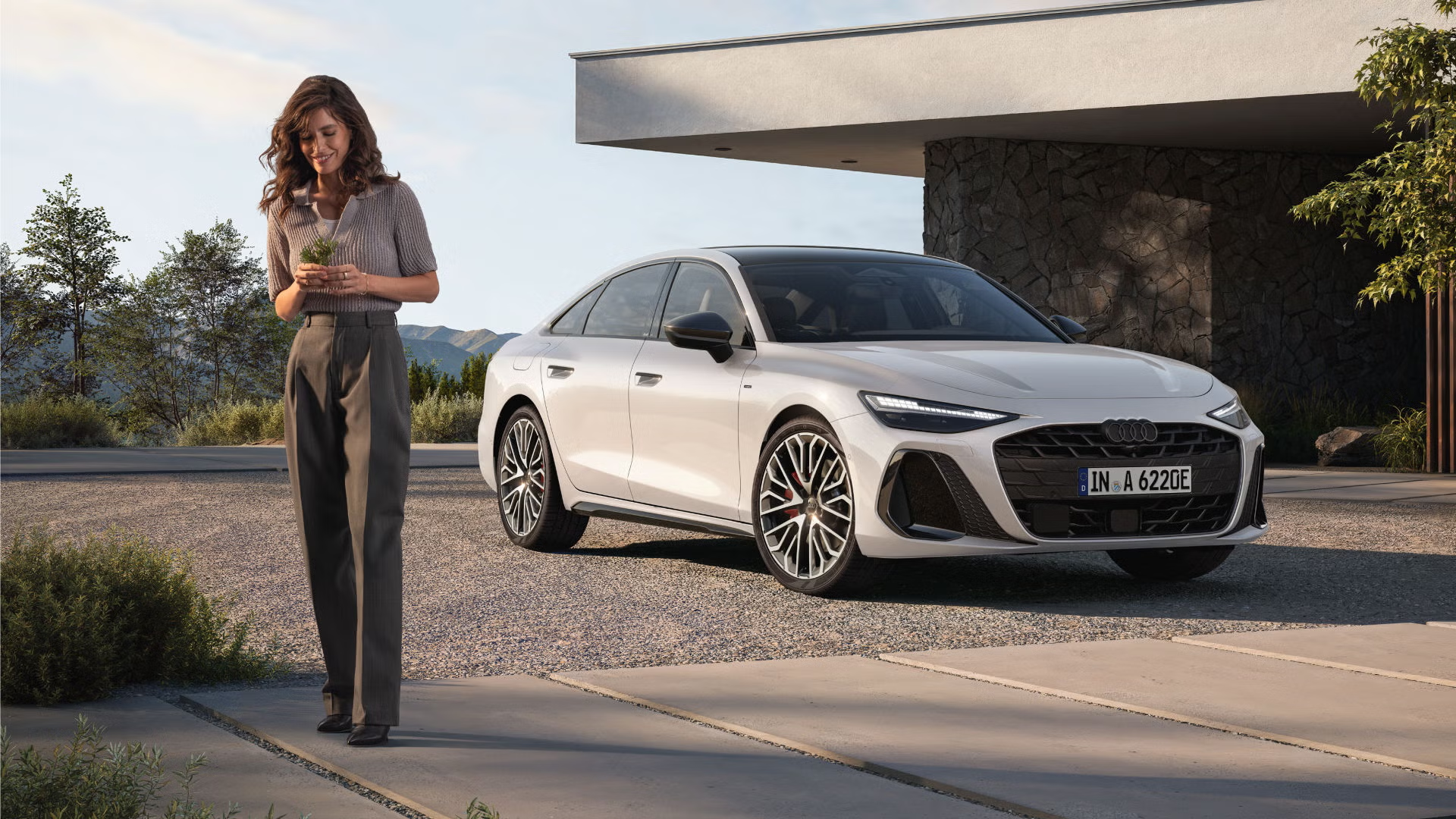
At Turismo, leasing an electric or plug-in hybrid car means a subscription of 24 to 60 months for most models, with a monthly payment that includes comprehensive insurance, servicing, tyres (all-season, or summer and winter depending on the contract) and taxes. The catalogue offers electric Mercedes, Porsche, BMW and MINI models as well as plug-in hybrids in Belgium, Luxembourg and France, and each car's page shows the amount for your country.
Electric and plug-in hybrid do not mean the same thing
Marketing vocabulary blurs everything, so let us go back to two simple definitions.
A 100% electric car has only an electric motor and a battery. It does not burn a drop of fuel, it emits zero tailpipe emissions, and its range is the range of its battery. There is no plan B, which is a strength in daily use.
A plug-in hybrid combines a combustion engine with an electric motor fed by a battery you plug in. It runs on electricity over a limited distance, often a few dozen kilometres, then switches to the combustion engine. The Mercedes-Benz GLC 300e in the catalogue, for instance, claims around a hundred kilometres on electricity before handing over.
The practical difference fits in one sentence. Electric forces you to think about charging, a plug-in hybrid lets you forget about it, at the cost of a real benefit that depends entirely on your discipline in plugging it in.
Why the question is different when you are not buying
This is the point most comparisons overlook. On a purchased electric car, three unknowns weigh on the owner, and they weigh heavily.
The first is resale value. The used electric market is young and volatile, and a model's value can slide quickly when a rival launches a longer-range generation. The second is the battery, whose state of health after several years remains hard for a private owner to anticipate. The third is the pace of technology, which makes a four-year-old vehicle distinctly less desirable than a combustion car of the same age.
Paying for use rather than ownership shifts those three unknowns. You drive during the period when the car is at its best, and what it will be worth afterwards is no longer your concern. That is probably the strongest argument in favour of a subscription in this particular segment, even more so than with a combustion car.
Which electric and hybrid cars can you lease at Turismo?
Here is what the catalogue offers in all three countries at the time we update this guide.
In fully electric form, the choice now covers every size: the Mercedes CLA saloon, the Mercedes GLA and GLC SUVs, the Porsche Macan and Cayenne, the Porsche Taycan as a saloon, Sport Turismo and Cross Turismo, the MINI Cooper, Aceman and Countryman, and from BMW the iX1, iX3 and i5 Touring. Each car page shows the range, the charging time and the amount for your country.
Plug-in hybrids are mostly SUVs: the Mercedes GLC 300e, also as a Coupé, the GLE 400e, the BMW X5 xDrive50e, the Porsche Cayenne S E-Hybrid and the Range Rover P460e, plus saloons such as the Porsche Panamera 4 E-Hybrid. The site's search lets you filter by powertrain.
So the choice no longer depends on what is available, but on how you drive: a socket at home or at work points to electric, long journeys without reliable chargers point to a plug-in hybrid.
Long-term leasing a plug-in hybrid: when does it make sense?
A plug-in hybrid on a long-term lease makes sense when you can plug it in almost every day and your daily trip fits within its electric range. You then drive on electricity during the week, and the combustion engine takes over on long journeys. The contract is the same as for an electric car, and our guide explains what separates long-term rental, lease-to-own and subscription.
Electric car leasing: the three figures to look at
On an electric car, the claimed range is the most discussed and the least reliable figure, because it is measured on a standardised cycle that bears no resemblance to your journey. Three elements say a great deal more.
The usable battery capacity, expressed in kilowatt-hours, which gives the real reserve. The accepted charging power, which determines how long you will spend at a fast charger, and which matters more than range as soon as you regularly travel far. And the average consumption observed in your own use, which turns the first two into real kilometres.
On a plug-in hybrid, only one question really counts: does your daily journey fit within the electric range. If it does, you drive on electricity during the week and keep the combustion engine for trips away. If it does not, you are carrying a battery you never use, and the benefit collapses.
Leasing in Belgium, Luxembourg or France: what changes
What changes first is the displayed amount, and for a reason that has nothing commercial about it. VAT is not at the same rate in the three countries: 21% in Belgium, 20% in France and 17% in Luxembourg. With an identical pre-tax base, the same car under the same contract therefore appears at three different amounts. Each page shows yours.
What changes next, and what this guide will not claim to settle, is the tax treatment and the incentive schemes, which differ from one country to another and change from year to year. Check the rule in force where you are at the moment you sign, or have it checked, rather than relying on an article.
What does not change, however, is the content of the contract. Everywhere, the monthly payment bundles comprehensive insurance, servicing, tyres (all-season, or summer and winter depending on the contract), and vehicle taxes. The vehicles are registered in the fleet's name, in Luxembourg and in Belgium.
How much does it cost to lease an electric car?
The amount depends on the car, the term, the mileage allowance and the down payment. On cars in stock, the down payment is optional and the page lets you leave it at zero, as our guide to renting with no deposit explains. On models you configure, the page shows a fixed down payment. Either way, it gives the monthly payment for your country, VAT included, and what it covers.
Electricity remains at your expense
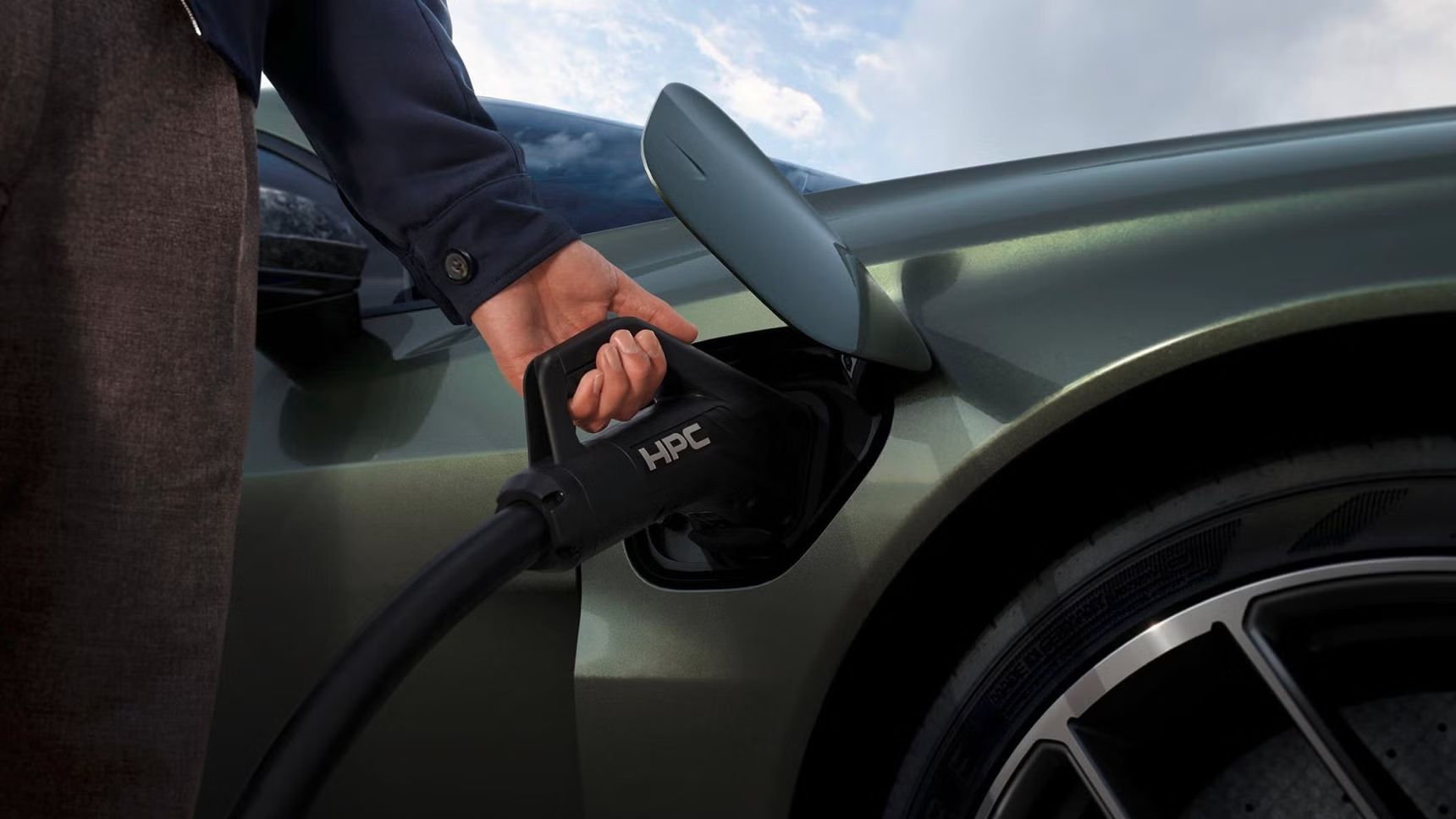
The point is simple but it often comes as a surprise, so it is worth writing down. Charging is not included in the monthly payment. It replaces fuel, it does not remove it from your budget.
Charging at home overnight costs a fraction of an equivalent tank of fuel, while charging at a fast charger on the road costs considerably more, sometimes to a degree that brings the cost per kilometre close to that of a combustion car. Your real saving therefore depends above all on where you plug in, not on the model you choose.
The other two variable items are the same as on any contract: kilometres driven beyond the package you chose, and home delivery when it is not included in your country.
FAQ: electric or hybrid car leasing
Does an electric car on subscription cost less than a combustion one?
That depends far more on where you charge than on the contract itself. Home charging widens the gap in favour of electric, fast charging on the road narrows it sharply.
Is charging included in the monthly payment?
No. Electricity replaces fuel, it does not remove it from your budget. What the monthly amount bundles is comprehensive insurance, servicing, tyres and vehicle taxes.
Is a home charging point provided?
No, it is not part of the contract. Its installation remains a separate investment.
Who carries the risk of battery ageing?
The fleet, since it remains the owner of the vehicle. You hand the car back at the end of the contract; its residual value and the state of its battery are not your concern.
Which range figure should you look at when choosing an electric car?
Not the one quoted in the brochure, measured on a standardised cycle that bears no resemblance to your journeys. Look instead at the usable battery capacity, the accepted charging power, and the consumption observed in your own use.
How do I know whether a plug-in hybrid suits me?
One question settles it. Does your daily journey fit within its electric range. If it does, you run on electricity during the week and keep the combustion engine for trips away.
Is there any point in a plug-in hybrid if I never plug it in?
Very little. You would be driving on the combustion engine while carrying the weight of an unused battery. That is the only case in which this type of powertrain is a poor choice.
Which electric cars can you take on subscription at Turismo?
Saloons, SUVs and city cars: Mercedes CLA, GLA and GLC, Porsche Macan, Cayenne and Taycan, MINI Cooper, Aceman and Countryman, BMW iX1, iX3 and i5 Touring. The site's search, filtered on electric, shows the current choice in your country.
How long does an electric car lease last at Turismo?
From 24 to 60 months for most electric cars, and from 36 months for some new models built to order. Each car's page shows the terms available.
Can you lease an electric car with no down payment?
Yes, on cars in stock: the down payment is optional there, and the monthly payment is then higher. On models you configure, a fixed down payment is required and the page shows the amount.
Can a plug-in hybrid be taken on a long-term lease?
Yes, with the same contract as an electric car. The monthly payment covers comprehensive insurance, servicing, tyres and taxes, while fuel and charging remain at your expense.